Why Colored Vinyl Sometimes Has a Different Sound Than Black Vinyl
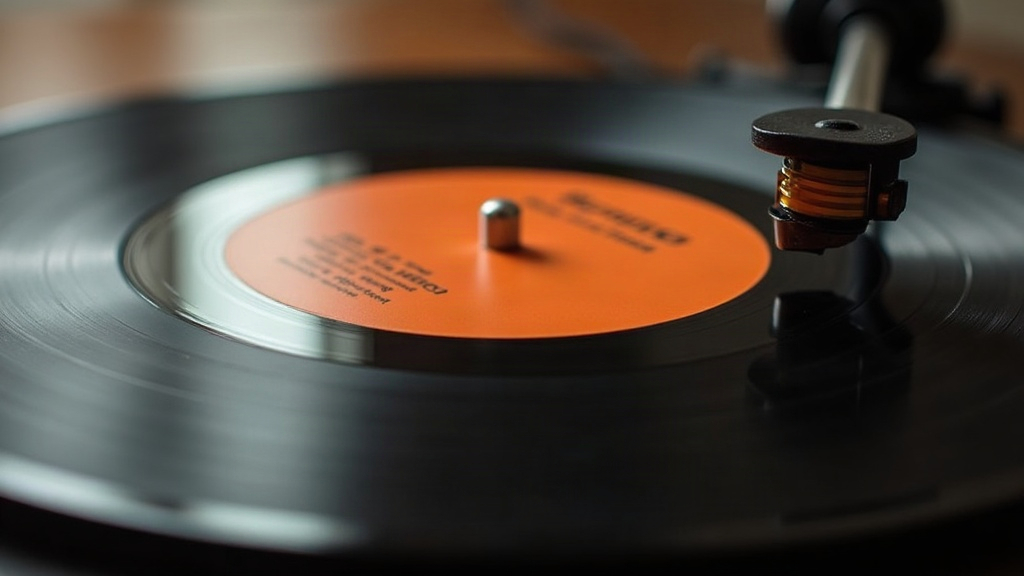
Ever thrown a colored pressing on the turntable right after the standard black version of the same album and caught yourself thinking “wait, why does this one sound noisier”? You’re not imagining things. Colored vinyl really can sound different from black vinyl, and the reason has nothing to do with color itself. It’s chemistry, manufacturing habits built up over decades, and how tight (or loose) a plant’s quality control happens to be.
The Short Answer
Black isn’t a “better” color. It just happens that carbon black, the pigment that makes a record black in the first place, is a genuinely excellent filler for PVC. It helps the compound flow better and press more consistently. Colored pigments don’t always play by the same rules, and that’s where the audible hiccups creep in.
Why Black Vinyl Became the Audio Standard
Standard black records get their color from carbon black, a byproduct mixed into PVC pellets before pressing. It’s not just there for looks. Carbon black actually pulls several jobs at once:
- Improves mold flow — it helps molten PVC settle into the stamper’s microscopic grooves evenly, instead of leaving gaps
- Reduces static buildup — carbon conducts electricity slightly, which cuts down on the static that attracts dust and adds surface noise
- Adds structural stability — it’s been tweaked and refined since vinyl’s earliest days, so plants know exactly what they’re getting
- Masks recycled content — black vinyl can swallow a good amount of reground or recycled PVC without anyone noticing a discoloration
Decades of industrial trial and error went into perfecting carbon black. Pressing plants aren’t guessing with it, they know precisely how it behaves at scale, batch after batch.
What Changes With Colored Vinyl
Colored and specialty pressings (splatter, swirl, glow-in-the-dark, clear, picture discs) swap carbon black for mineral or synthetic pigments. Those pigments introduce a handful of problems:
- Don’t flow identically — some pigments are coarser or clump unevenly, which can leave the groove formation inconsistent from copy to copy
- Can’t hide imperfections — air bubbles, stray dust, bits of recycled PVC, all of it becomes visible and audible, especially since colored runs almost always require 100% virgin PVC (no recycled material to blend in and disguise flaws)
- Vary by batch and vendor — pigment concentration isn’t standardized; one pressing plant’s “blue” might behave completely differently from another’s, even for the same title
- Require precise temperature control — colored PVC tends to be touchier about injection temperature, and a few degrees off can bump up the noise floor noticeably
Picture discs sit at the extreme end of this. The actual audio layer is squeezed impossibly thin around a printed paper insert, so you’re almost guaranteed higher surface noise and a flattened dynamic range compared to a standard pressing. It’s basically baked into the format.
Is It Always Worse?
Not necessarily. Plenty of modern colored pressings from solid plants (GZ Media, Optimal, Third Man Pressing, to name a few) sound essentially identical to their black counterparts, provided a few things line up:
- The plant uses high-quality, well-tested colorants (not whatever’s cheapest)
- QC is strict and consistent, run after run
- Vinyl weight (140g vs. 180g) and formulation match the black release
- It’s not a picture disc or a multi-color splatter variant
Splatter and swirl pressings carry the most risk, since mixing several pigment streams mid-press raises the odds of uneven fill or trapped air pockets. A single bad splatter run can have noticeably different noise levels disc to disc, even within the same pressing batch.
How to Tell Before You Buy
- Check Discogs reviews for that specific colored variant. Collectors are usually quick to call out a noisy pressing in the comments
- Look up the pressing plant on the release page. A name you recognize (or can research) tells you a lot
- Skip picture discs and heavy splatter editions if sound quality actually matters to you
- Go for transparent or clear colored vinyl over opaque pigmented versions. Clear formulations generally use fewer additives, so there’s less that can go wrong
The Bottom Line
There’s nothing mystical about color making vinyl sound worse. It comes down to pigment chemistry, the forced use of virgin PVC, and how seriously a given plant takes its quality control. A well-made colored pressing from a reputable plant can go toe to toe with the black version, no contest. But if you want the cleanest, most reliable listening experience and don’t want to roll the dice, the classic black pressing is still the safer choice, particularly when you’re eyeing limited-run splatter or picture disc editions where the production process is fighting against fidelity from the start.