Choosing a Phono Cartridge for a Portable Suitcase Record Player
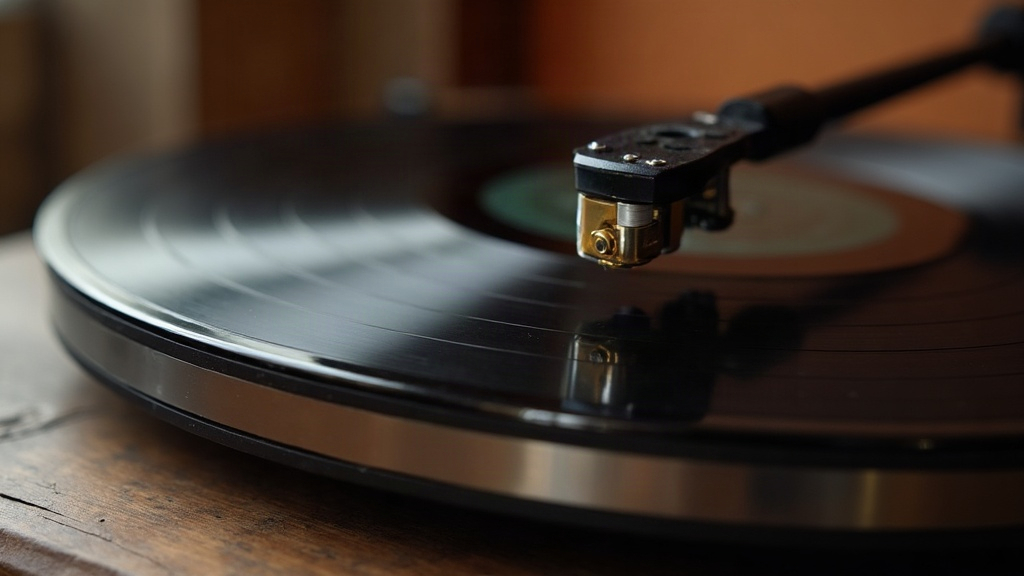
Choosing a phono cartridge for a portable suitcase record player isn’t as simple as grabbing any model off the shelf. These compact all-in-one turntables run different internal circuitry than standard hi-fi decks, and picking the wrong cartridge can chew up your records, or just not work at all. Here’s what your suitcase player actually needs, when a cartridge upgrade makes sense, and the mistakes that trip up most buyers.
Why Suitcase Players Are Different
Most suitcase (or “briefcase”) record players, think Crosley, Victrola, and the dozen similar budget brands, come with a built-in preamp tuned to one specific cartridge output level. Unlike component turntables that let you swap cartridges freely, these machines are usually built around:
- A fixed tonearm with no counterweight adjustment
- High tracking force, often 4-6 grams, versus 1.5-2g on a proper hi-fi turntable
- A ceramic cartridge instead of a magnetic one
That combination isn’t an accident. Ceramic cartridges push out a much stronger signal than magnetic ones, and they’re built to pair with the bare-bones amplifier circuits inside these players. Swap that out and you’ve broken the match.
Ceramic vs. Magnetic Cartridges
Ceramic cartridges are the stock part in nearly every suitcase player you’ll find. They’re tough, cheap to replace (often $10-20), and already matched to the player’s phono stage. The tradeoff: heavier tracking force that wears down your records faster, plus a thinner, more “tinny” sound that audiophiles tend to wince at.
Magnetic cartridges (moving magnet or moving coil) sound noticeably better and track with much lighter pressure, which is kinder to your vinyl. The catch? They need a real RIAA phono preamp and an adjustable tonearm with a counterweight, two things most suitcase players simply don’t have.
Can You Swap a Ceramic for a Magnetic Cartridge?
Only if your player checks these three boxes:
- An adjustable counterweight tonearm (rare, though a few premium “vintage-style” models do offer this)
- A dedicated line/phono output that bypasses the ceramic-matched amp
- Tonearm mass that’s actually compatible with the new cartridge’s compliance rating
Missing even one of these, and installing a magnetic cartridge usually gets you distorted or completely silent audio. The signal level and equalization curve just won’t line up with the amplifier inside.
When to Replace Just the Stylus
Nine times out of ten, what actually needs replacing is the stylus (needle), not the whole cartridge. Watch for these signs:
- Distorted, muffled, or scratchy playback
- A visibly worn, bent, or flattened tip (grab a magnifying glass and look)
- Records picking up surface noise after only a handful of plays
- No stylus change in 1-2 years of regular listening (styli generally last 100-300 hours of play)
Most suitcase players use a snap-in or clip-on replaceable stylus. Pull your model number and search for a matching replacement before assuming the whole cartridge is shot. It usually isn’t.
Practical Buying Checklist
Before you buy anything, nail down:
- Your player’s exact brand and model number (compatibility can differ wildly even within the same brand’s lineup)
- Mounting type: standard 1/2-inch mount, a snap-fit proprietary cartridge, or a ceramic cantilever unit
- Tracking force range your tonearm is built to support
- Output type: ceramic (high output, no preamp needed) versus magnetic (low output, needs a phono preamp)
Not sure? Check the manual or just email the manufacturer. Mismatched parts are the number one reason people end up posting “my new cartridge won’t play anything” in forums.
Should You Upgrade to a Better Turntable Instead?
If you’re genuinely into vinyl and keep getting annoyed by the sound, or you’re worried about grinding down your records, it’s often smarter (and cheaper in the long run) to just buy an entry-level component turntable, something like an Audio-Technica AT-LP60X, rather than trying to retrofit a suitcase player that was never designed for it. Suitcase models exist for convenience and portability, not fidelity. Those heavy ceramic cartridges with their high tracking force will measurably wear down record grooves over time, and that’s a real problem if you’ve got original pressings you actually want to keep around.
Conclusion
For most suitcase record players, the real cartridge decision isn’t about cartridges at all. It’s about finding the right replacement stylus for the ceramic cartridge you already have. Swapping in a magnetic cartridge almost never works with the built-in amplifier these players ship with. Check your model number, swap worn needles before they start chewing up your records, and if preservation actually matters to you, think about moving up to a turntable built for cartridge flexibility. Ten minutes of research before you buy saves both your wallet and your record collection.