How to Ship a Single Valuable LP Safely Through Winter Freezing
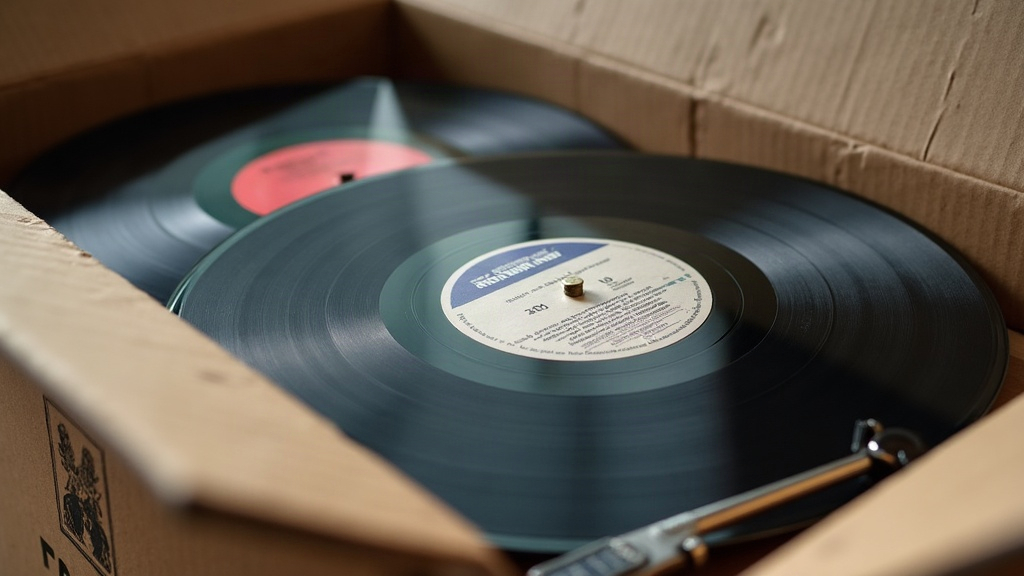
Shipping a single valuable LP through a deep freeze takes more than tossing it in a sturdy box. Vinyl turns brittle and warp-prone once temperatures drop, so you’re dealing with rigid packaging, moisture control, insulation, and carrier timing all at once. Skip any of those and you risk cracks, shattering, or condensation damage somewhere between your doorstep and theirs. Here’s the system collectors, sellers, and record stores actually use to get a high-value record through the coldest months in one piece.
Why Cold Weather Is Dangerous for Vinyl
Vinyl is a petroleum-based plastic (PVC), and like most plastics it gets stiffer and more brittle the colder it gets. Drop below freezing and the record stops behaving the way you’re used to. The real risks:
- Impact fractures: Cold vinyl flexes less under pressure. A record that would normally just bend under a rough drop can instead crack straight through, or shatter.
- Condensation on arrival: Move a frozen package into a warm house or sorting facility and moisture forms on the surface almost immediately. Skip the acclimation step and you’re inviting mold or label damage.
- Sleeve and jacket brittleness: Cardboard jackets and poly sleeves stiffen up too. They crease, tear, and split more easily once the temperature drops.
- Warping during temperature swings: Bounce a record between an unheated truck, an outdoor loading dock, and a warm living room enough times, and subtle warping creeps in over repeated shipments.
Know these risks first. Then you can build packaging that actually addresses them, instead of just burying the record under another layer of bubble wrap and hoping for the best.
Step-by-Step: Packing a Single Valuable LP for Winter
1. Start With Rigid Record Mailers, Not Just a Box
Reach for double-walled corrugated record mailers, the kind built specifically for vinyl. They’re noticeably more rigid than a generic shipping box and hold their shape under cold-weather stress. Single-wall mailers are fine for cheap filler stock, but not for anything you’d actually hate to lose. Cold cardboard loses flex-resistance, so the extra rigidity isn’t optional here, it’s the whole point.
2. Protect the Record Itself
- Drop the LP into a high-quality poly-lined inner sleeve (anti-static, archival-grade) to stop surface scuffs before they start.
- Slide that into the original or replacement jacket, then wrap the jacket in an outer poly sleeve to keep moisture and abrasion off it.
- For a pressing that genuinely matters, add a rigid plastic record protector (a hard outer sleeve) between jacket and mailer. Think of it as a second shell: one more rigid barrier standing between the record and a bad bump.
3. Add Cardboard Stiffeners on Both Sides
Cut two stiffeners slightly larger than the record and sandwich the sleeved LP between them before it goes in the box. This stops corners from bending and spreads any impact force across a wider area, which matters a lot more once the vinyl itself has lost some of its give.
4. Center the Record and Eliminate Movement
Pack crumpled kraft paper or foam corner protectors around the record so it sits dead center and can’t shift in transit. Movement inside the package is probably the single biggest cause of corner dings and hairline cracks, and in cold weather those cracks spread faster than they would at room temperature.
5. Seal Against Moisture
Winter shipping means snow, slush, and humidity swings, often all in the same delivery route. Wrap the sealed mailer in a plastic shipping bag or stretch wrap before it goes into any outer box, so moisture has no seam to sneak through.
6. Label Clearly for Careful Handling
A “Fragile” sticker won’t guarantee gentle hands, but it does help. Add “Do Not Bend” and “Fragile – Handle With Care” labels; at manual sorting points, that small nudge genuinely cuts down on rough handling.
Carrier and Timing Considerations
- Pick carriers with climate-controlled hubs where you can. Some regional carriers are far better than the big national ones at avoiding long outdoor storage.
- Don’t ship right before a weekend or holiday in winter. A package that would normally spend a day in transit can end up sitting two or three extra days in an unheated truck or warehouse.
- Request signature confirmation on anything valuable, so it doesn’t end up frozen on a porch or a mailroom floor for hours.
- Insure it for what it’s actually worth. Freezing-related cracks are usually covered under standard “damage in transit” claims, as long as the packaging was up to the job.
What to Tell the Buyer or Recipient
Tell them straight: let the package sit unopened at room temperature for 2 to 4 hours before opening, especially if it arrives ice-cold to the touch. Rip it open right away and expose a cold record to warm, humid indoor air, and condensation forms directly on the grooves and label. It’s one of the most common, and most avoidable, causes of post-shipping damage. A two-hour wait costs nothing.
Quick Winter Shipping Checklist
- Poly-lined inner sleeve + jacket + outer poly sleeve
- Rigid outer sleeve for high-value pressings
- Cardboard stiffeners on both sides
- Double-walled record mailer
- Centered with padding to prevent shifting
- Outer moisture barrier (plastic wrap/bag)
- “Do Not Bend” + “Fragile” labeling
- Signature confirmation + adequate insurance
- Instructions for recipient to acclimate before opening
Conclusion
It really comes down to three things: rigidity, so the cold can’t make the record brittle enough to crack; centering and padding, so nothing shifts and nothing dings; and moisture control, so condensation doesn’t sneak up on the vinyl after it arrives. Get the mailer, the sleeves, the stiffeners, and the carrier choice right, and the record shows up exactly how it left, no matter how brutal the weather was in between.