How to Store Vinyl Records Safely in a Humid Coastal Apartment
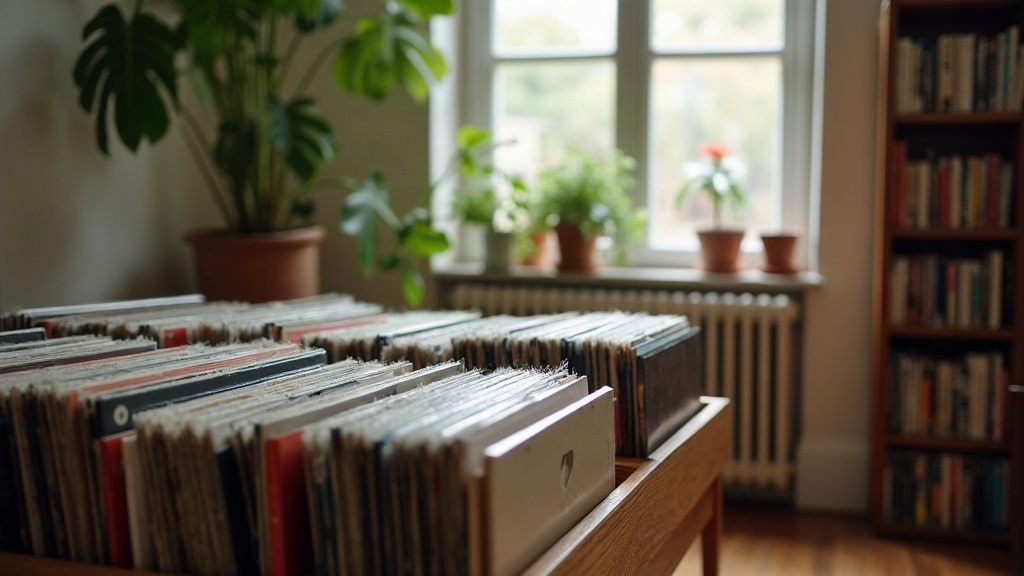
Living by the water means dealing with salt air, humidity that swings from muggy to bone-dry and back, and temperature shifts that never quite settle. None of that plays nicely with vinyl. If you’re storing records in a humid coastal apartment, the fix comes down to a handful of things: controlling moisture, keeping the records standing upright, using sleeves that actually protect the vinyl, and staying away from exterior walls where condensation loves to form. Get those right and your collection stays warp-free, mold-free, and sounding the way it should for decades.
Why Coastal Humidity Is a Real Threat to Vinyl
The vinyl itself holds up reasonably well against moisture. The danger is everything wrapped around it.
- Cardboard jackets and inner sleeves soak up humidity like a sponge. Give it enough time and you’ll get mold, foxing (those brown freckled spots), and that musty smell nobody wants in their living room.
- Paper labels wrinkle, peel, or in bad cases fuse to the record surface when humidity stays high for too long.
- Warping shows up when humidity teams up with heat, which happens a lot near windows or on exterior walls in coastal units baking in sun and salt spray.
- Metal shelving and equipment rust faster in salty air, and that corrosion doesn’t stay contained. Flakes and sticky residue end up on records sitting nearby.
Ever picked up a record at a thrift store and caught that musty smell before you even opened the sleeve? That’s humidity damage, plain and simple. Coastal apartments practically manufacture these conditions.
Ideal Humidity and Temperature Range
Here’s what you’re aiming for:
- Relative humidity: 35–50% (60% and above is where mold risk starts climbing fast)
- Temperature: 65–70°F (18–21°C), steady, not bouncing around
- Avoid fluctuations. Jumping between an AC-cooled bedroom and thick outdoor humidity does more warping damage over time than just living with consistent heat would.
A cheap hygrometer, $10 to $15 online, placed near your shelf tells you exactly where you stand instead of leaving you to guess based on how sticky the air feels.
Step-by-Step Storage Setup
1. Choose the Right Location
Keep your records away from:
- Exterior walls (they sweat whenever the temperature shifts)
- Windows facing the ocean or catching direct sun
- Bathrooms, kitchens, laundry areas
- Floor level, since cooler, damper air pools down there
An interior wall works best, ideally inside a closet or a room you keep climate-controlled.
2. Use a Dehumidifier, Even a Small One
You don’t need to run central AC around the clock. A compact dehumidifier (30–50 pint range) running a few hours a day, or a smaller closet-sized desiccant unit, can keep the air around your collection in check on its own. For a single shelf or a smaller stack of records, rechargeable silica gel canisters do the job just fine.
3. Upgrade Your Sleeves
This is the cheapest fix with the biggest payoff, hands down.
- Inner sleeves: Ditch plain paper and switch to rice-paper-lined or polyethylene-lined sleeves. Paper pulls moisture straight onto the vinyl surface.
- Outer sleeves: Go with polypropylene, never PVC, to protect jackets from humidity and keep ring wear from forming.
- Avoid PVC entirely. It off-gasses and can actually stick to the vinyl in heat, which is exactly what happens in a coastal apartment on the days your AC isn’t running.
4. Store Records Vertically, Never Flat
Stack records flat and gravity does the damage for you, especially once the vinyl softens even slightly in warm, humid air. Keep albums upright, snug enough that they don’t lean but not jammed in so tight you’re fighting to pull one out. Milk-crate bins or shelving built specifically for LPs work well here.
5. Add Silica Gel Packs to Storage Bins
Toss a few rechargeable silica gel packets into closed bins or cabinets. During humid months, check them monthly and recharge or swap them out as needed. Most come with color-indicating beads so you’ll know at a glance when they’re spent.
6. Inspect Monthly
A quick once-a-month check goes a long way in a coastal climate:
- Give the collection a sniff for musty odors (the earliest mold warning sign)
- Check jacket corners for soft spots or warping
- Wipe down shelving for salt residue or condensation buildup
- Glance at your hygrometer to confirm you’re still in range
What to Avoid
- Storing near AC vents. The blast of cold air creates its own condensation cycle.
- Sealed plastic bins with zero ventilation. Trapped moisture does more harm than open air ever would.
- Basement-style closets without airflow, even if you’re on the fifth floor of a coastal building.
- Leaving records in a car trunk or out on the balcony, even for a quick errand during humid months.
Quick Fixes for Already-Affected Records
Spotted early mold or a musty smell? Here’s the rescue plan:
- Pull the record out of its sleeve right away.
- Wipe it gently with a carbon fiber brush or microfiber cloth, dry, no liquids yet while mold is present.
- Follow up with an anti-static record cleaning solution and a soft-bristle brush for a proper deep clean.
- Put it in a fresh sleeve. Never slide a clean record back into the sleeve that caused the problem in the first place.
- Let it air-dry completely in a low-humidity room before it goes back on the shelf.
Conclusion
Living on the coast doesn’t mean your vinyl collection is doomed. Hold humidity between 35 and 50%, swap in better sleeves, stand your records up instead of stacking them flat, and run a small dehumidifier or a handful of silica packs, and you’ll keep warping, mold, and salt-air damage at bay no matter how close you are to the beach. Spend twenty minutes a month checking on things, and your records will still sound like the day you brought them home.