Summer Road Trip Vinyl Carrying Cases: Transport Records Safely
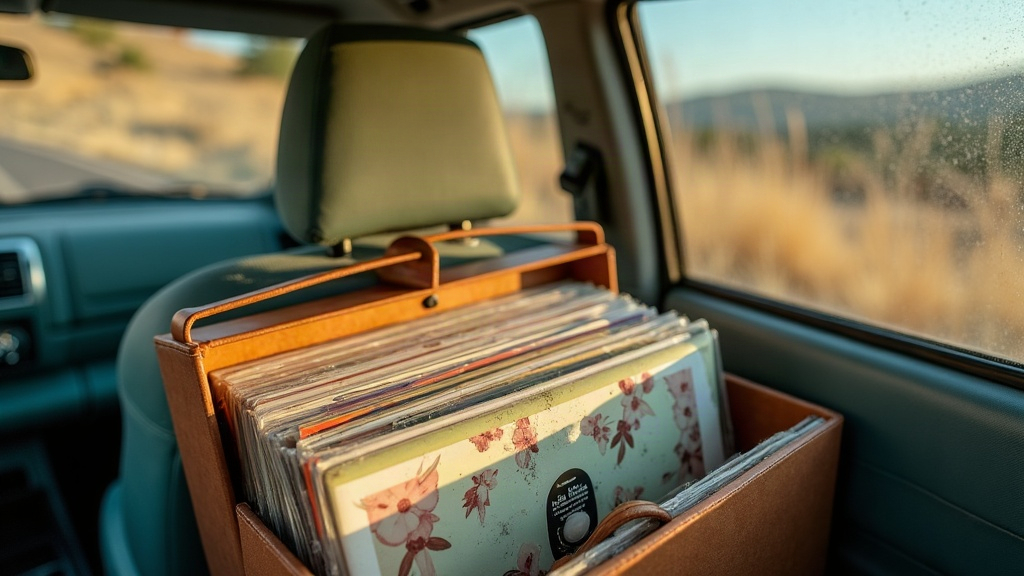
Summer Road Trips Without Warping Your Records
Summer road trips and vinyl collecting just go together. You dig through a record shop in some town you’ve never heard of, bring your favorites to a friend’s listening party, or haul a few crates out to an outdoor DJ set. The problem? A hot car, bumpy backroads, and constant handling are basically the perfect recipe for ruining records. Heat warping, dust, scratches, crushed sleeves… a good carrying case stops most of that before it starts.
This guide walks through what actually matters when picking a case for summer travel, and how to pack it so your records come home looking the same as when they left.
Why Summer Car Travel Is Risky for Vinyl
Records are made from PVC, and PVC softens at temperatures lower than you’d think. A car parked in direct sun can hit 140°F (60°C) or more during summer, which is more than enough to warp a record sitting on a dashboard, in the trunk, or leaning against a window.
Here’s what you’re really up against:
- Heat warping: Just 30 to 60 minutes in a hot car can bend a record permanently. No do-overs.
- Humidity: Jump from an air-conditioned car into a muggy parking lot and condensation can form inside the sleeve. That’s how mold starts, and how sleeve seams split.
- Vibration and impact: Records that slide around during braking or sharp turns end up with chipped edges and surface scuffs.
- UV exposure: Sunlight fades cover art fast and makes PVC brittle over time, even through a car window.
A solid case handles the physical protection side of things. The climate risk, though, that’s on your packing habits.
What to Look for in a Road Trip Vinyl Case
1. Rigid or Semi-Rigid Construction
A soft tote bag is fine if you’re walking a few records over to a friend’s apartment. For car travel, you want something with a rigid shell or at least a reinforced frame, so records don’t flex or bow when something gets stacked on top. And something will get stacked on top. Luggage, coolers, duffel bags all fighting for the same trunk space.
2. Snug, Adjustable Record Dividers
Records that have room to shift will shift, every time you brake or take a turn. Look for:
- Foam or felt-lined interior panels
- Adjustable dividers, or a padded spine strap that keeps the stack tight
- A design meant to be packed full. A half-empty case is actually worse than a full one, since records can slide and knock edges together
3. UV-Resistant, Insulated Materials
A handful of travel cases now use insulated linings, similar to what you’d find in a soft cooler. It’s not just a marketing line either. Even minimal thermal insulation slows heat transfer noticeably compared to a thin vinyl shell or a cardboard box, which matters a lot during quick stops at gas stations or rest areas where the car sits baking for ten minutes.
4. Secure Latches, Not Just Zippers
Zippers pop open under pressure, especially once a case gets wedged into a packed trunk. Metal latch closures (the kind you see on old-school LP carrying cases) just hold up better through repeated loading and unloading trips.
5. Carry Comfort
If you’re hauling cases across parking lots, through festival grounds, or between three different hotel stops on a weeklong trip, a padded handle or shoulder strap stops being a nice-to-have. Check the stitching around the handle before you buy. That’s usually the first thing that tears on a cheap case.
Best Practices for Packing Records in a Car
- Store cases upright, the same way records sit on a shelf. Never flat. Stack weight on a flat case and you’re inviting warps over time.
- Keep vinyl out of direct sunlight, even when it’s in a case. The rear window shelf and the trunk floor heat up the fastest, so put cases in the footwell or under a seat instead.
- Use the AC to your advantage. If you’re stopping somewhere for more than 15 or 20 minutes in hot weather, just bring the case inside with you. Leaving it in the car “for a few minutes” always ends up being longer than planned.
- Don’t stack heavy items on top of a loaded case, rigid or not.
- Add poly-lined inner sleeves before you leave, underneath the outer sleeves. That extra layer catches dust and moisture the case alone won’t block.
How Many Records Can You Safely Travel With?
Most decent carrying cases hold somewhere between 25 and 50 standard 12” LPs when full. For a road trip, you’re better off slightly underfilling a smaller case and using the dividers properly than cramming a large one to the brim. Overstuffed cases put uneven pressure on the records at the edges, which raises the risk of warping and dinged corners.
Traveling with a bigger collection, say 100 records or more? Split it across a few mid-sized cases instead of one giant box. It spreads the weight out, makes loading a lot less of a hassle, and if something does go wrong, you’re only risking damage to one smaller batch instead of the whole stack.
Conclusion
A good carrying case turns a risky summer road trip into a pretty safe one, but the case by itself won’t do all the work. Pair rigid, well-padded storage with a few smart habits: keep records upright, keep them out of direct heat, and never let them bake in a parked car “just for a minute.” Get the case right and pay a little attention to where it sits in the vehicle, and your collection can go as far as you do, without a single warp or scratch to show for it.