Can You Play 12-Inch Singles at 33 RPM Without Damage?
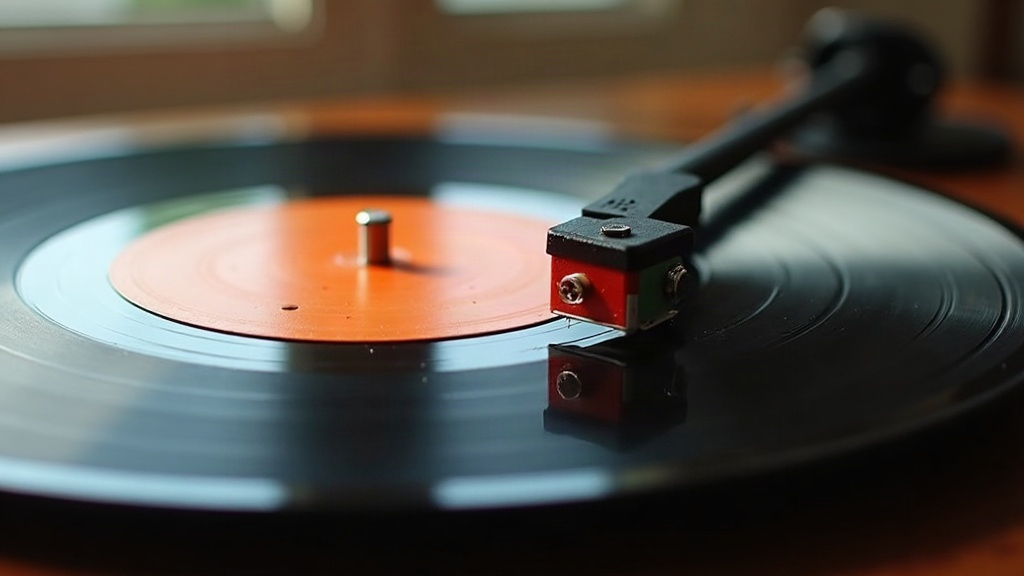
Yes, you can physically play a 12-inch single at 33 RPM instead of its intended 45 RPM without damaging your stylus or the record itself. Playing at the wrong speed won’t harm your equipment, but it will sound noticeably off, and knowing why can save you some confusion (and maybe a little embarrassment) at your next listening session.
Why 12-Inch Singles Exist at 45 RPM
Most people assume 12-inch records mean 33⅓ RPM LPs, so stumbling on a 12-inch single that’s meant to spin at 45 RPM can throw you off. But this format became a cornerstone of disco, house, techno, and hip-hop culture for a very practical reason:
- Wider grooves at 45 RPM allow for louder cutting levels and punchier bass response, exactly what club DJs need.
- Extended mixes (often 5 to 10 minutes long) required more groove real estate than a 7-inch single could ever provide.
- Dynamic range improves because the stylus moves faster through the groove, picking up more detail, particularly down in the low end.
So a 12-inch single running at 45 RPM isn’t some printing error. It’s a deliberate mastering decision, made to squeeze the most audio quality possible out of dance and remix culture.
What Actually Happens If You Play It at 33 RPM
Mechanically? Nothing. Your stylus, cartridge, and tonearm feel zero extra strain from an incorrect speed setting. Turntables don’t care about speed when it comes to wear and tear; the needle just tracks whatever groove is in front of it, at whatever rate the platter happens to be spinning.
What you will notice:
- Pitch drops significantly. Vocals and instruments sound deeper and slower, almost like you’re listening to a completely different recording.
- Tempo slows down. A 5-minute track can stretch past the 6-minute mark.
- Tracking can feel “draggy.” Some listeners describe the sound as muddy or distorted, though that’s a perceptual quirk, not actual mechanical harm.
This is exactly why playing a 45 RPM 12-inch at 33 is sometimes done on purpose. Slowed-down remixes, “chopped and screwed” tracks, sampling in production, all of that leans on this very trick.
How to Tell the Correct Speed
Before you drop the needle, check a few things first:
- Look at the label or sleeve. Most 12-inch singles print “45 RPM” right near the spindle hole or somewhere on the back cover.
- Check the groove width. 45 RPM singles often show visibly wider-spaced grooves near the start of the track, compared to the tighter grooves on a 33 RPM LP.
- Listen for pitch. If the vocals sound unnaturally deep and sluggish, chances are you’re spinning a 45 at 33.
- Check the spindle hole size. Some 12-inch singles (US pressings especially) use a large center hole, which means you’ll need a 45 RPM adapter.
No label info to go on? A quick search of the catalog number, or just the artist and title, will usually confirm the intended speed in seconds.
Will Repeated Wrong-Speed Playback Cause Long-Term Harm?
No. Speed mismatches don’t add stylus wear, cause groove damage, or mess with tracking force. The real culprits behind actual damage are:
- Excessive tracking force (too heavy, or too light, both cause problems)
- Dirty or dusty records, which create extra friction
- Worn or damaged styluses dragging debris straight through the grooves
- Warped vinyl, which sends the needle bouncing erratically
Speed selection comes down to audio fidelity and tempo accuracy. It has nothing to do with mechanical safety.
Practical Tips for Beginners
- Check your turntable’s speed switch before you drop the needle on anything unfamiliar.
- Grab a 45 RPM adapter if the single has that larger center hole.
- Not sure what speed it’s supposed to be? Start at 33, listen for a few seconds, and flip to 45 if the pitch sounds wrong. No harm done either way.
- Apps like RPM Speed/Pitch Checker can verify speed accuracy using your phone’s camera pointed at strobe-marked platters.
Conclusion
Playing a 12-inch single at 33 RPM instead of 45 won’t hurt your stylus, your cartridge, or the record. It’ll just sound slower and lower than the artist intended. The whole point of understanding RPM differences isn’t protecting your gear, it’s hearing the music the way the mastering engineer actually meant for you to hear it. When in doubt, check the label, trust your ears, and don’t be afraid to experiment. Your turntable can take it.