Direct-Drive vs Idler-Wheel Turntables for 1960s Soul 45s
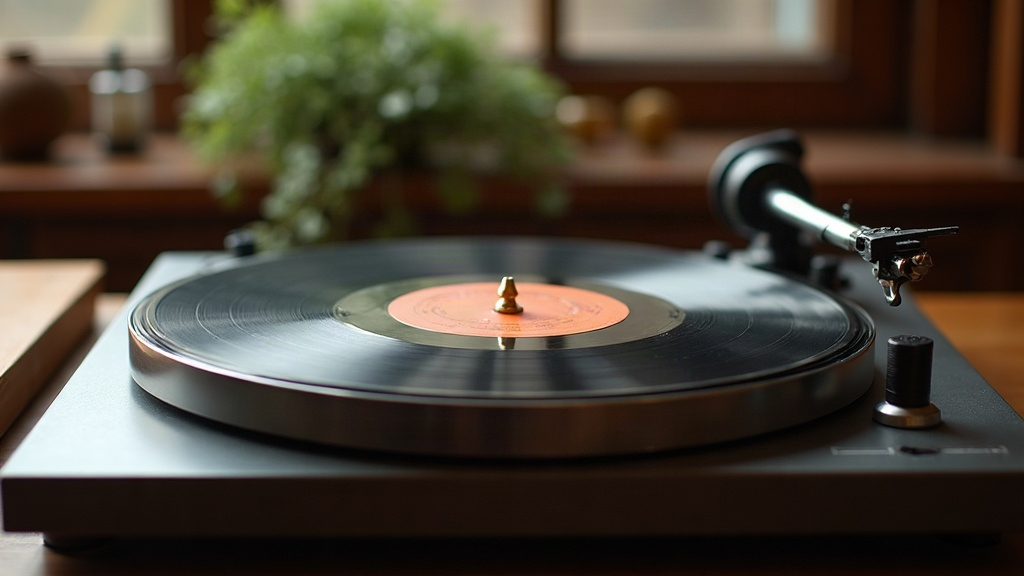
If you’ve started stacking up 1960s soul 45s (Motown pressings, Stax singles, maybe a stray Chess record or two), the turntable underneath them matters more than most people assume. It’s not just gear snobbery. The short version: direct-drive turntables (Technics SL-1200 and its descendants) give you instant torque, speed that doesn’t budge, and the kind of durability that holds up to years of heavy rotation. Idler-wheel turntables (think vintage Garrard or Lenco decks) trade some of that reliability for a warmer, punchier sound that plenty of vintage-soul collectors won’t give up. The catch? More maintenance, and a bit more rumble creeping into quiet passages.
Why Drive Type Matters for 45s
Soul 45s are short, loud, bass-forward records built to hit hard on a jukebox or in a DJ set. The way the platter spins affects more than you’d think:
- Speed accuracy matters a lot here. Horn stabs and vocal harmonies go flat (literally) the moment pitch drifts.
- Torque and start-up time become critical the second you start mixing, scratching, or cueing up tracks back to back.
- Noise floor can ruin a quiet ballad intro. Rumble has a way of showing up exactly when you don’t want it.
- Longevity varies a lot depending on the mechanism. Some designs simply age better than others.
Direct-Drive Turntables: The Modern Workhorse
These spin the platter with a motor sitting directly underneath it. No belt, no idler wheel, nothing in between.
Pros
- Instant torque. Start-up lag is basically zero, which makes back-cueing or beat-matching soul breaks feel effortless.
- Consistent speed. Quartz-locked models (SL-1200MK2 and up) barely drift at all, so pitch stays true from the first 45 in your crate to the last.
- Built to last. These were originally made for radio stations and clubs, so parts and repair support are still easy to find decades later.
- Great for scratching or juggling. If you’ve ever wanted to mix soul 45s DJ-style, there’s really no substitute for direct-drive.
Cons
- Motor noise can bleed into recordings if you’re digitizing rare 45s (good isolation mostly solves this).
- The classic units, especially early SL-1200s, often cost more used because DJs have been snapping them up for decades.
Idler-Wheel Turntables: The Vintage Soul Choice
Idler-wheel decks pass motor spin to the platter through a rubber-tired wheel pressed against the rim. This was the standard design through the 1950s and 60s, which means a lot of original soul 45s were mastered, and first spun, on exactly this kind of machine.
Pros
- High torque with punchy dynamics. Many listeners describe the sound as more “alive,” with a bass slam that suits soul and funk especially well.
- Period-correct experience. There’s something satisfying about spinning a 1967 Stax single on a Garrard 301 or a Lenco L75. It just feels right.
- Simple mechanics. No belt to wear out, though the idler wheel itself does need occasional care.
Cons
- Rumble and flat-spotting. A worn or poorly stored idler wheel introduces audible rumble, and it’s especially noticeable during the quiet intros so common in soul ballads.
- Maintenance-heavy. Expect to deal with motor bearing lubrication, occasional wheel replacement, and setup that takes patience.
- Parts are harder to find. Many of these units are 50 to 60 years old at this point. Replacement idler wheels and belts usually mean hunting down specialty suppliers.
Which Should You Choose?
- Casual collector, mostly listening at home: A restored Garrard 301 or 401 gives you that authentic, punchy soul sound, provided you’re willing to keep up with maintenance.
- Active DJ or frequent crate-digger: Go direct-drive. An SL-1200 or a modern equivalent like the Audio-Technica AT-LP140 gives you the reliability and pitch stability you need for regular use.
- Archivist or digitizer: Direct-drive with quartz lock is the clear winner here. When you’re transferring rare 45s to digital, pitch drift is basically the enemy.
Quick Setup Tips for 45s on Either Deck
- Always use a proper 45 adapter (spindle or slip-mat puck). Skipping this invites wobble you really don’t want.
- Check your tracking force. Soul 45s often have hotter mastering and deeper grooves, so they usually benefit from slightly higher tracking weight (check your cartridge’s spec sheet to be sure).
- Clean the idler wheel or belt regularly. A glazed idler wheel is, hands down, the number one cause of speed wobble on vintage decks.
Conclusion
There isn’t really a universal winner between direct-drive and idler-wheel turntables for 1960s soul 45s. It comes down to what you value most. Direct-drive wins on reliability, speed accuracy, and that DJ-friendly torque. Idler-wheel decks reward you with a warmer, more vintage-authentic sound, as long as you’re okay with the upkeep that comes with it. A lot of serious soul collectors end up with both eventually: a sturdy direct-drive deck for everyday listening and digitizing, and a carefully restored idler-wheel turntable set aside for the rare finds that deserve to be heard the way they were originally meant to sound.