How to Clean Dust from Shellac 78 RPM Records Without Damaging Them
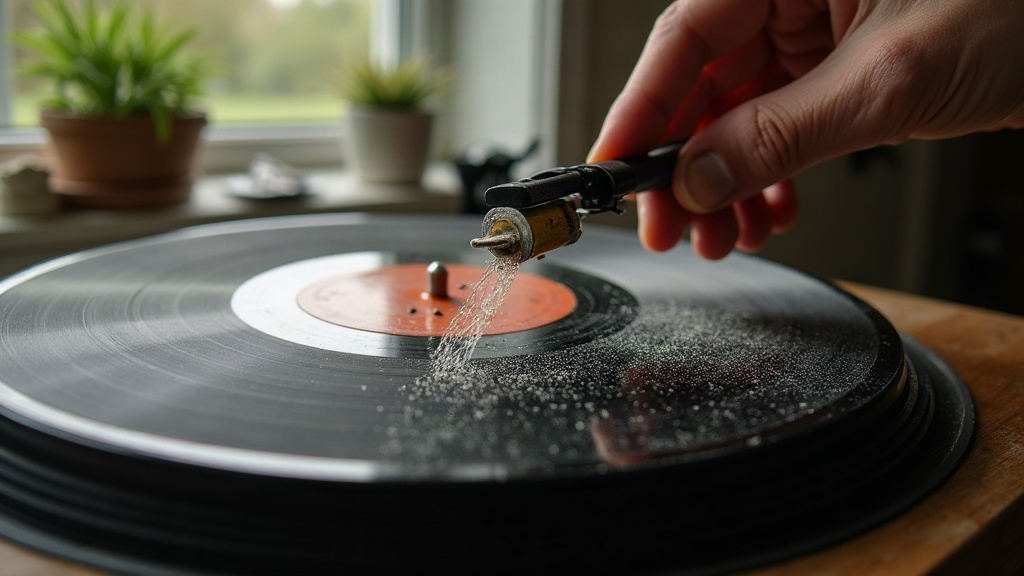
Cleaning dust off shellac 78s isn’t like cleaning a modern vinyl LP. Shellac is brittle stuff, it scratches easily, and it reacts badly to moisture and the wrong chemicals. The safest route: dry dust first with a carbon-fiber or velvet brush, then follow up with a mild water-based solution, applied sparingly, wiped along the groove, never in circles.
Why Shellac 78s Need Special Care
Shellac records were pressed roughly from the 1890s through the early 1960s, and they’re made from a brittle blend of natural shellac resin, mineral fillers, and fibrous binders. Compared to vinyl, shellac is:
- More porous, so it soaks up liquids and oils faster than you’d expect
- More brittle, which means a little too much pressure can chip or crack it
- Chemically different, so a lot of the vinyl cleaning products on the market (especially anything alcohol-based) can actually damage the surface or strip the groove walls
That’s the core issue: techniques built for PVC vinyl just don’t transfer safely to shellac. Use the wrong solvent and you can soften the compound, permanently dulling the sound. Once that happens, there’s no undoing it.
Step 1: Start With Dry Cleaning
Before any liquid touches the record, clear off the loose dust and debris:
- Hold the record by its edges only, never the playing surface.
- Grab a soft carbon-fiber brush, or a clean velvet record brush if that’s what you have.
- Brush gently in the direction of the grooves, not across them, so you’re not grinding dust deeper into the groove walls.
- For dust that’s lodged in the grooves, a soft natural-bristle paintbrush does the trick (skip synthetic bristles, they build up static).
Honestly, a lot of light dust problems get solved right here, especially with records that were stored decently in the first place.
Step 2: Prepare a Safe Cleaning Solution
If brushing alone doesn’t cut it, move on to a mild wet-clean, but steer clear of alcohol, acetone, or commercial vinyl cleaners with isopropyl alcohol. These react poorly with shellac’s resin and can do real damage.
A safer, homemade mix:
- Distilled water (tap water leaves mineral deposits behind, so skip it)
- A few drops of mild, non-ionic dish soap, unscented and dye-free
- Optional: a small amount of photographic wetting agent, the kind archivists use, if you can get your hands on it
Mix it in a small container, and before doing anything else, test it on an inconspicuous spot near the label edge.
Step 3: Apply the Solution Carefully
- Dampen a microfiber cloth or soft cotton pad. Never pour or soak the record directly.
- Wipe gently along the groove direction, keeping pressure light.
- Keep liquid away from the label area. Shellac labels are paper-based and can fall apart the moment they get wet.
- Follow immediately with a dry microfiber cloth to pick up any leftover moisture.
Step 4: Dry Thoroughly Before Storage or Play
Let the record air-dry fully, standing upright somewhere free of dust, before it goes back in its sleeve. Playing it while still damp risks damaging both the stylus and the groove surface, so don’t rush this part.
What to Avoid
- Alcohol-based cleaners – soften the shellac and strip away the groove’s protective layer
- Excessive water – shellac absorbs moisture readily, which can warp the disc or cause it to delaminate
- Abrasive cloths or paper towels – these leave behind micro-scratches you’ll regret later
- Ultrasonic cleaners without shellac-specific settings – most ultrasonic machines are tuned for vinyl, and that intensity is often too much for shellac’s porous structure
When to Call a Professional
Heavy grime, mold, or residue left behind from old shellac-era cleaning products? That’s usually a sign to bring in an archival audio restoration specialist rather than attempt it yourself. Rare or collectible 78s, especially anything pressed before 1920, are generally safer in the hands of professionals who work with archive-grade equipment calibrated for shellac composites specifically.
Conclusion
It really comes down to patience and restraint: dry brush first, bring in a minimal water-based solution only when you actually need it, and always move with the groove, never against it. Skip the alcohol, skip the excess moisture, and give the record time to dry completely before it goes back into storage. Treat them gently enough, and even century-old shellac discs can stay playable and enjoyable for decades still to come.